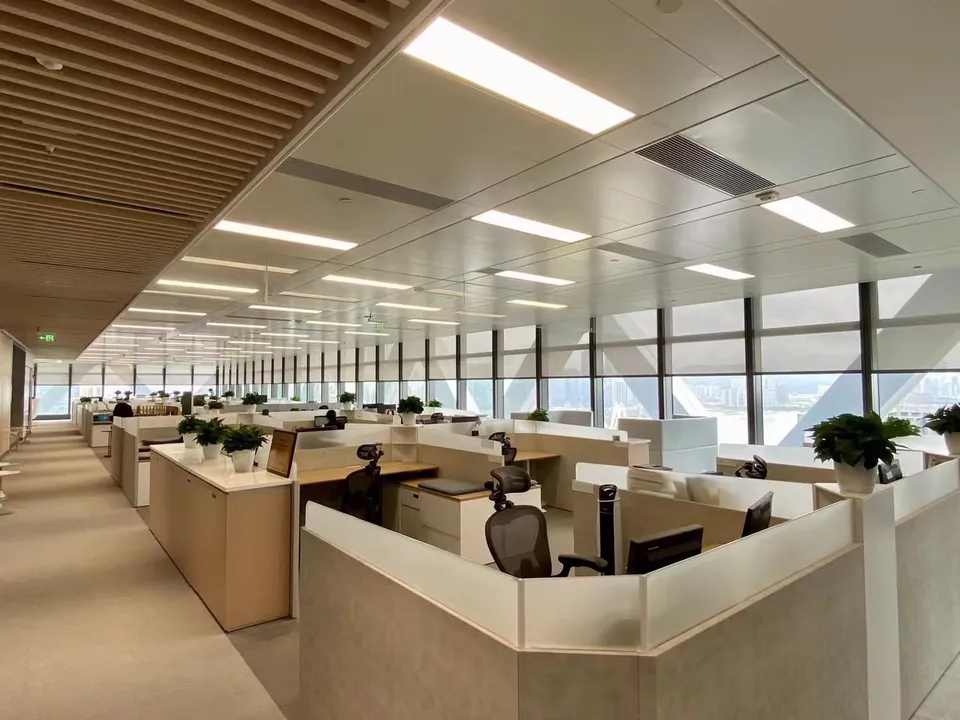
Core motorized shading system
Motorized Roller Blinds
Commercial motorized roller shades, also specified as motorized roller blinds, support office glazing, hotel rooms, public spaces, villas and dealer programs. Fabric, tube, mounting, motor and control are confirmed together for the actual opening and project requirements.
- Blackout, sunscreen and light-filtering directions
- Battery or wired configuration review
- Project-specific control planning
Product fit / system snapshot
A flexible base system for repeated openings and clean glazing lines
Roller blinds provide a compact fabric panel and direct vertical movement. They can be coordinated across room schedules, facade zones or dealer product programs while keeping each opening tied to its fabric, mounting and control requirement. Saiwenna supports dealers, integrators, contractors and project buyers with factory-backed B2B project supply and configuration review for the selected roller system.
- Light direction
- Blackout, sunscreen or light-filtering series selected for the room objective.
- Architectural fit
- Ceiling, wall or recessed-pocket conditions reviewed with brackets, cassette and access.
- Opening review
- Width, drop, fabric weight, tube and motor are assessed as one configuration.
- Buyer use
- Suitable for dealers, installers, designers and project teams preparing repeatable schedules.
Opening schedule
Build a Repeatable Opening Schedule
Record each window ID, width, drop, mounting condition, fabric direction, power and control requirement before a repeated configuration is approved. The schedule supports review; it does not replace exact fabric, tube, motor and mounting confirmation.
For room-type and layered hotel packages, continue with Hotel Blackout, Sheer and Curtain Coordination.
Installed and operation evidence
See the system in real window conditions
These approved images and the short operation video show representative installed contexts. Final speed, fabric, mounting, controls and coverage remain configuration-specific.
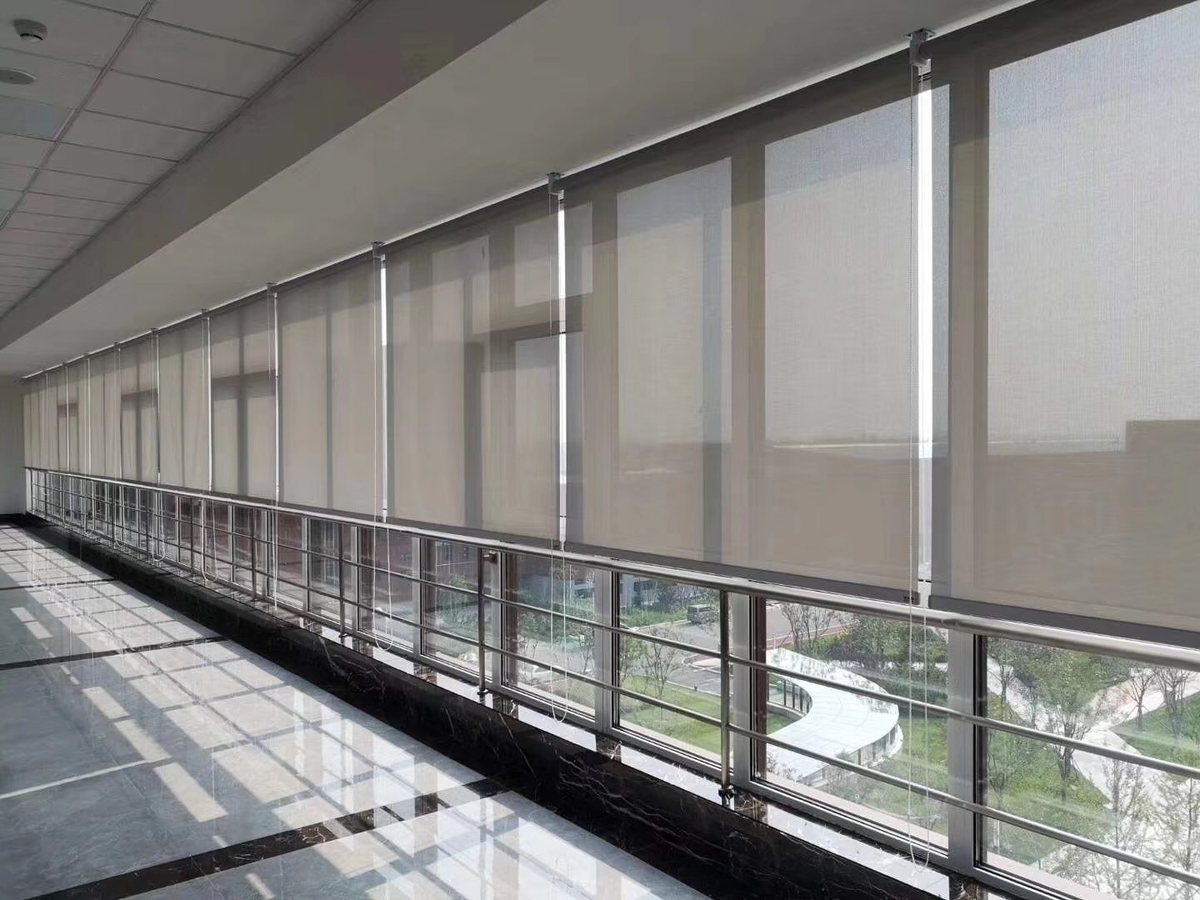
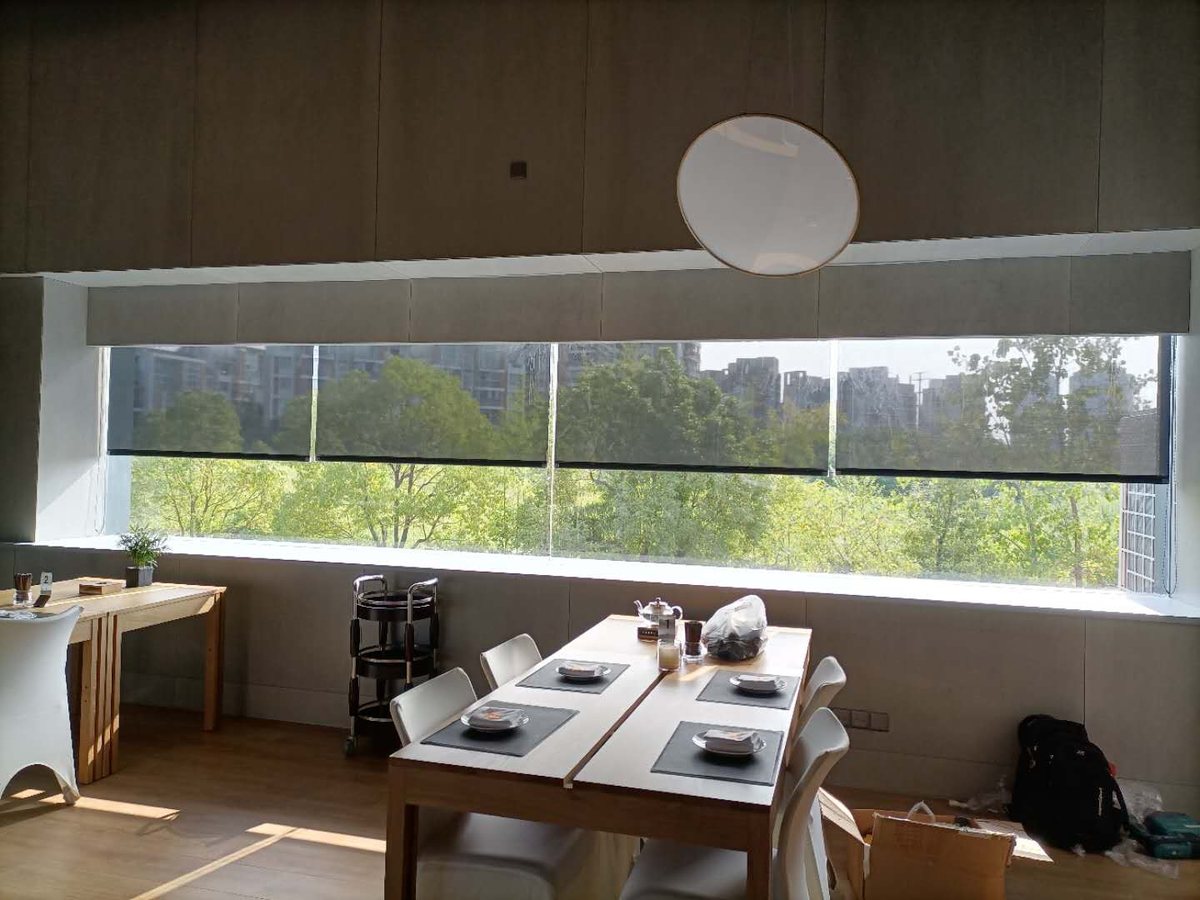
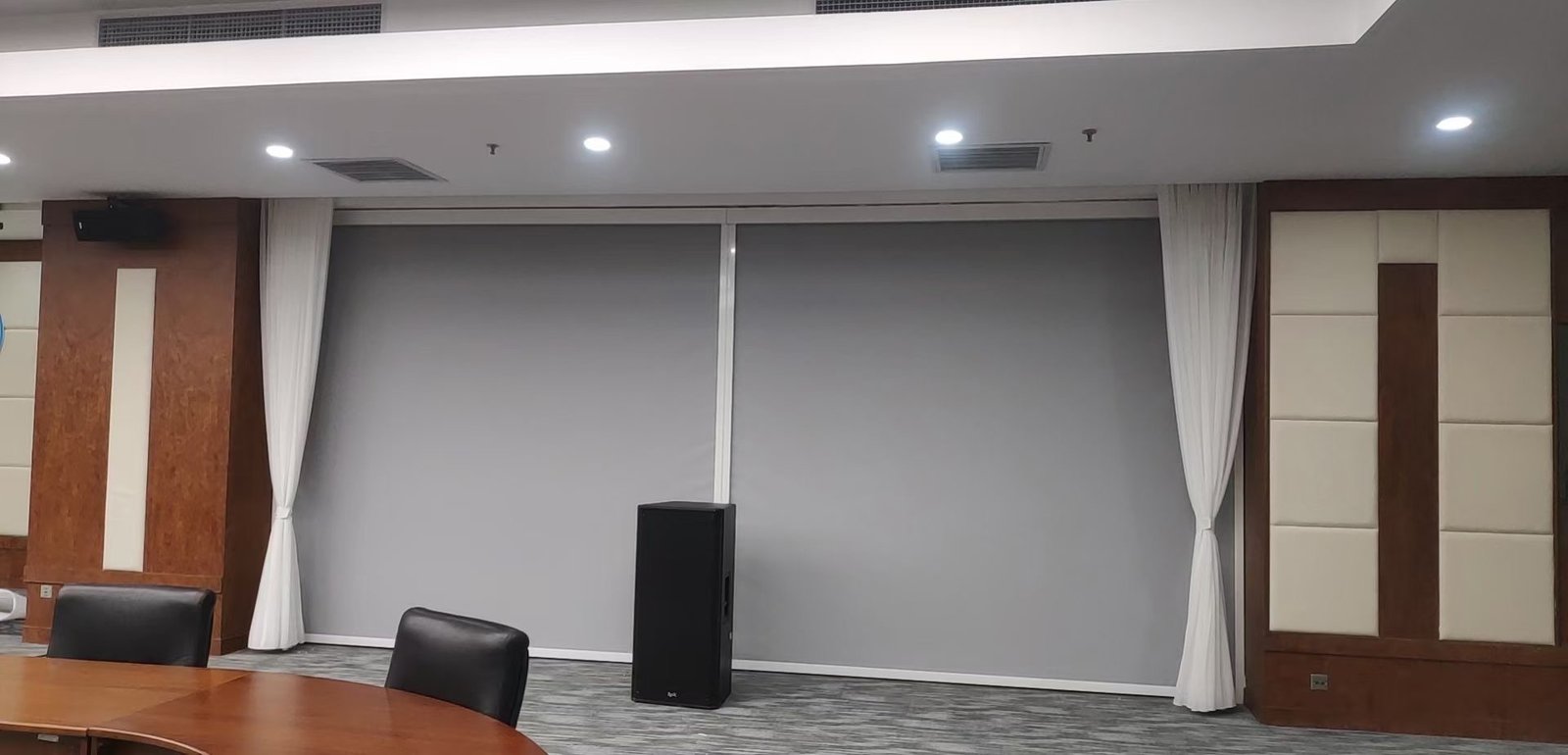
Project operation reference
Motorized roller blinds in operation
The short site demonstration shows a bank of roller blinds moving across a commercial window line. Use it to frame questions about grouping, power, access and final control behavior.
Fabric and material direction
Select fabric by daylight, privacy and interior intent
Specific performance, composition and certification requests must be confirmed for the exact fabric series before quotation or approval.
Configuration and technical specification
Build the specification from the selected fabric and opening
The public table is a configuration framework, not a universal model datasheet. Final dimensions and components are confirmed after the exact fabric, tube, motor, mounting and quantity are known.
| Product type | Roller blind / roller shade, manual or selected motorized configuration. |
|---|---|
| Fabric direction | Light-filtering, sunscreen or room-darkening/blackout series; exact construction and performance confirmed by selected fabric. |
| Cassette and bottom bar | Square or curved cassette, matching bottom-bar and finish direction reviewed for the visible design. |
| Mounting | Ceiling, wall or recessed pocket, subject to the substrate, clearances, access and bracket selection. |
| Width and drop | Confirmed from the fabric series, tube, motor, edge condition and opening geometry; wider openings require configuration review. |
| Side condition | Standard edge gaps or a channel-based direction can be reviewed; final visible gap is project- and hardware-specific. |
| Power | Selected battery or wired options may be reviewed; voltage, charging, service access and any solar direction require exact motor confirmation. |
| Control | Selected RF, app-control, wall-switch, dry-contact or RS485 paths; exact motor, controller, wiring and interface must be confirmed. |
Motor and control
One control section, with clear project boundaries
Control capability is determined by the exact motor, receiver or controller, power plan and project-side interface. The quotation should identify those boundaries before samples or bulk production.
Application fit
Match the fabric and control path to the room schedule
Office & Commercial
Facade glazing, meeting rooms, training areas and repeated office bays where daylight and grouping must be coordinated.
Hospitality
Guest rooms, meeting spaces and public areas requiring room-type consistency, privacy and selected room-darkening directions.
Residential
Villas and apartments where visual finish, retrofit power options and simple room-by-room control are priorities.
Education & Public
Classrooms, lecture rooms, libraries and municipal spaces where drawings, access and repeatable specification matter.
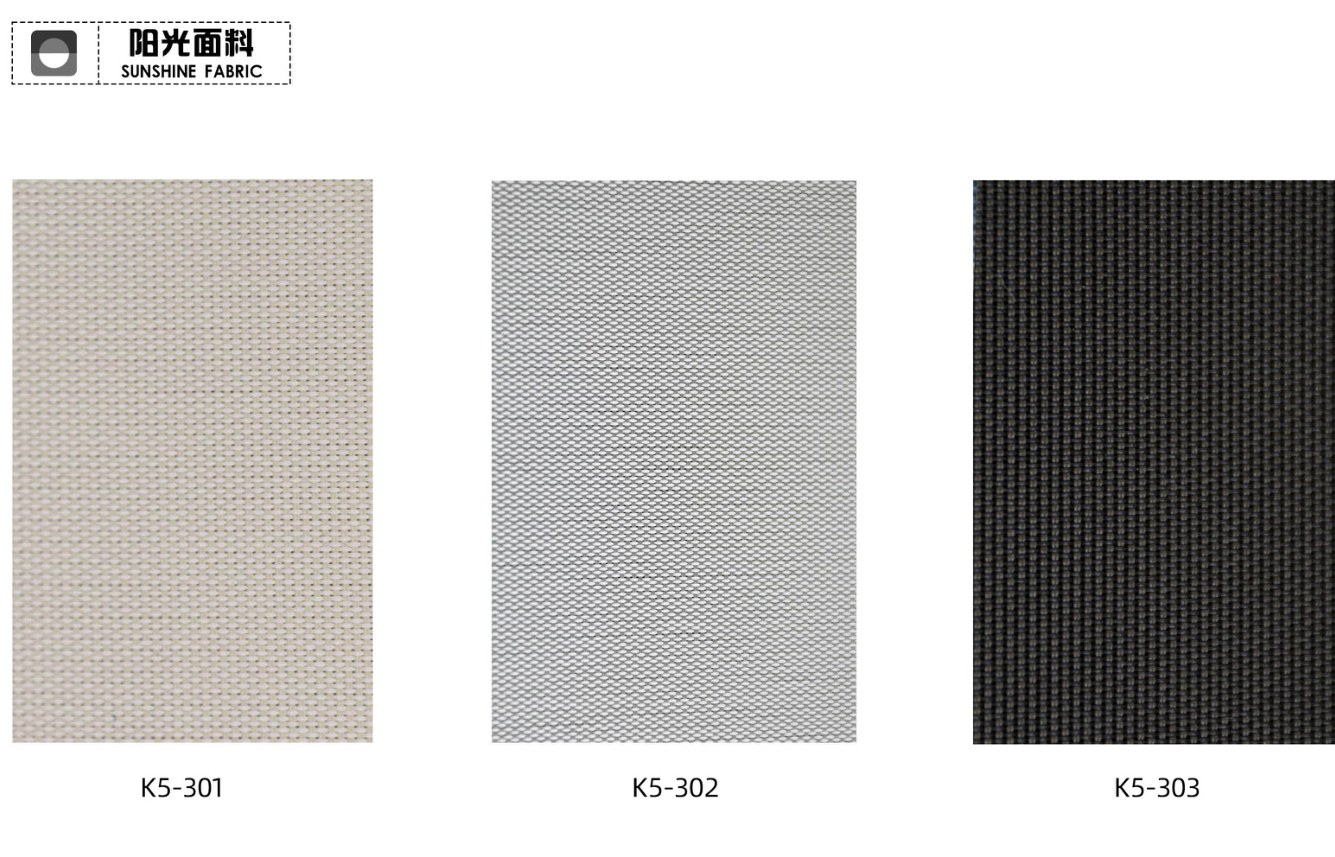
Sample and color-card review
Confirm the visible material before final approval
Use the color card to shortlist fabric directions, then request a physical swatch or sample configuration when color, texture, openness, edge condition or motor behavior needs closer review.
What we need for quotation
Send one clear configuration brief
A window schedule or room-by-room size list reduces assumptions and helps keep fabric, motor, accessories and packing aligned.
- OpeningsWidth, drop, quantity, room or facade zone and any unusual geometry.
- MaterialBlackout, sunscreen or light-filtering direction, color and sample needs.
- HardwareCassette, bottom bar, side condition, mounting substrate and access.
- Motor & controlBattery/wired direction, grouping, app or interface request and project-side system.
- SupplyQuantity, labeling, packing, destination and dealer or project use.
Supply process
Move from inputs to an approved supply scope
- 01Share requirementsOpening schedule, quantity, destination and project use.
- 02Align configurationFabric, hardware, motor, control and open questions.
- 03Sample & quotationReview the applicable material or sample path and confirmed quote scope.
- 04Production & QCProceed after final requirements and approvals are confirmed.
- 05Packing & shippingPlan labeling, packing and freight from the confirmed destination and scope.
FAQ
Questions buyers use to finalize a roller blind brief
What information is needed for a quotation?
Provide width, drop, quantity, room or zone, fabric direction, mounting, motor/control requirement and destination. A window schedule is preferred for repeated openings.
Can fabric samples be reviewed before bulk production?
Color cards and fabric samples can be discussed before final approval. Availability and the most useful sample format depend on the selected fabric series and project stage.
What is the difference between sunscreen and blackout directions?
Sunscreen fabrics manage daylight and outward view through a selected openness and construction. Room-darkening or blackout performance depends on the fabric plus edge, cassette, channel and installation conditions.
Can roller blinds use battery, wired or smart control?
Selected battery, wired, RF, app-control and interface paths may be reviewed. The exact motor, controller, power, app/gateway and project-side interface must be confirmed before quotation.
How is the maximum size confirmed?
Width and drop cannot be separated from fabric weight, tube, motor, mounting and edge conditions. Send the opening schedule so the final system can be checked as one configuration.
Can one project combine hotel, office or residential roller-blind types?
Yes. Room types or facade zones can be grouped in one schedule while preserving the different fabric, hardware and control requirements for each type.
Ready to Configure Motorized Roller Blinds?
Send the opening schedule, quantity, fabric direction, mounting condition, motor/control requirement and destination. Final product and performance details will be tied to the confirmed configuration.
Working project resources
Continue the buyer task with: Roller Shade Technical Pack · BOQ + Window Schedule Template. Use the Motor & Control Systems link in the control section for configuration-specific motor and interface review.
JD.com Headquarters Project Reference
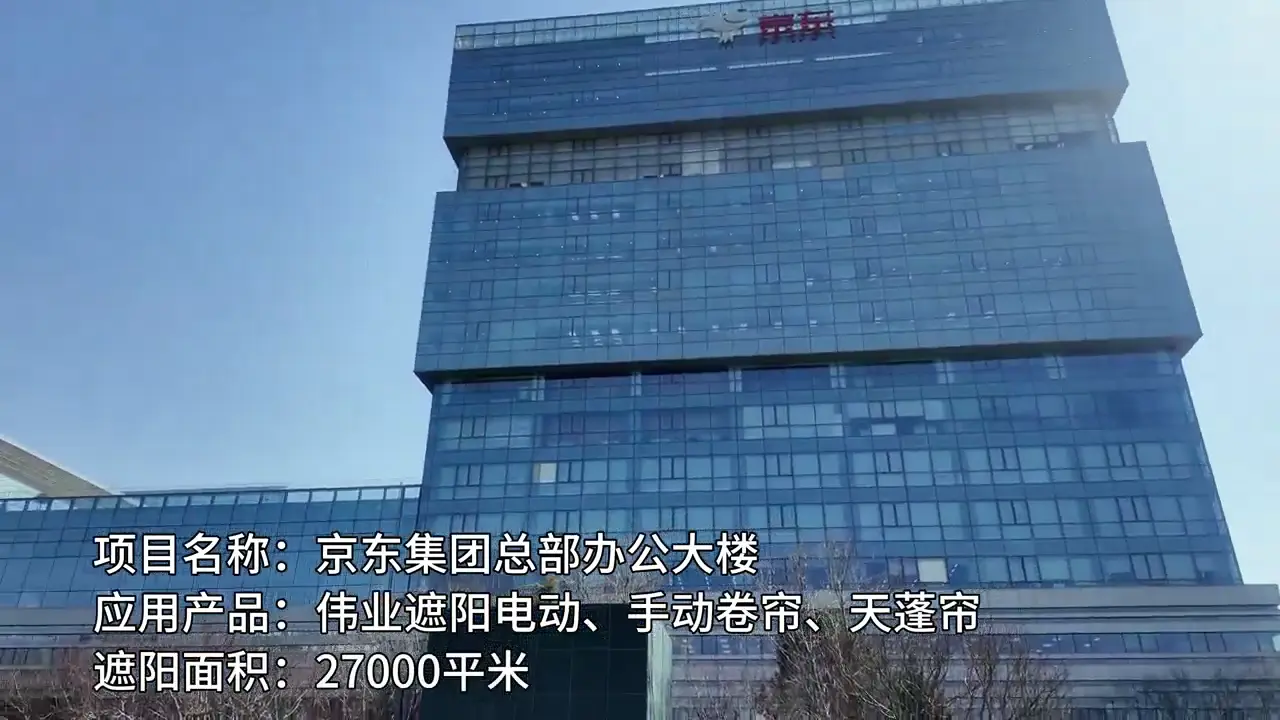
Commercial headquarters project reference with multi-zone manual, motorized and specialty shading context.